US road signs use more words and fewer symbols than European signs, yellow diamonds instead of red-bordered triangles for warnings, and miles per hour for every speed. The shapes that matter most, the octagon stop sign and the inverted-triangle yield sign, are the same. If you learned to drive in Europe, a few US signs and rules will surprise you.
The biggest differences
| United States | Most of Europe | |
|---|---|---|
| Warning signs | Yellow diamond, black symbol or words | White triangle with red border |
| Speed limits | White rectangle, black numbers, **mph** | White circle with red border, km/h |
| Prohibitions | Symbol with a red circle and slash, often with words | Red circle, often without words |
| Directions on highways | Green signs, exit numbers | Blue (motorways) or green, depending on country |
| Stop sign | Red octagon, "STOP" | Same |
| Yield sign | Red and white inverted triangle, "YIELD" | Same shape, often no word |
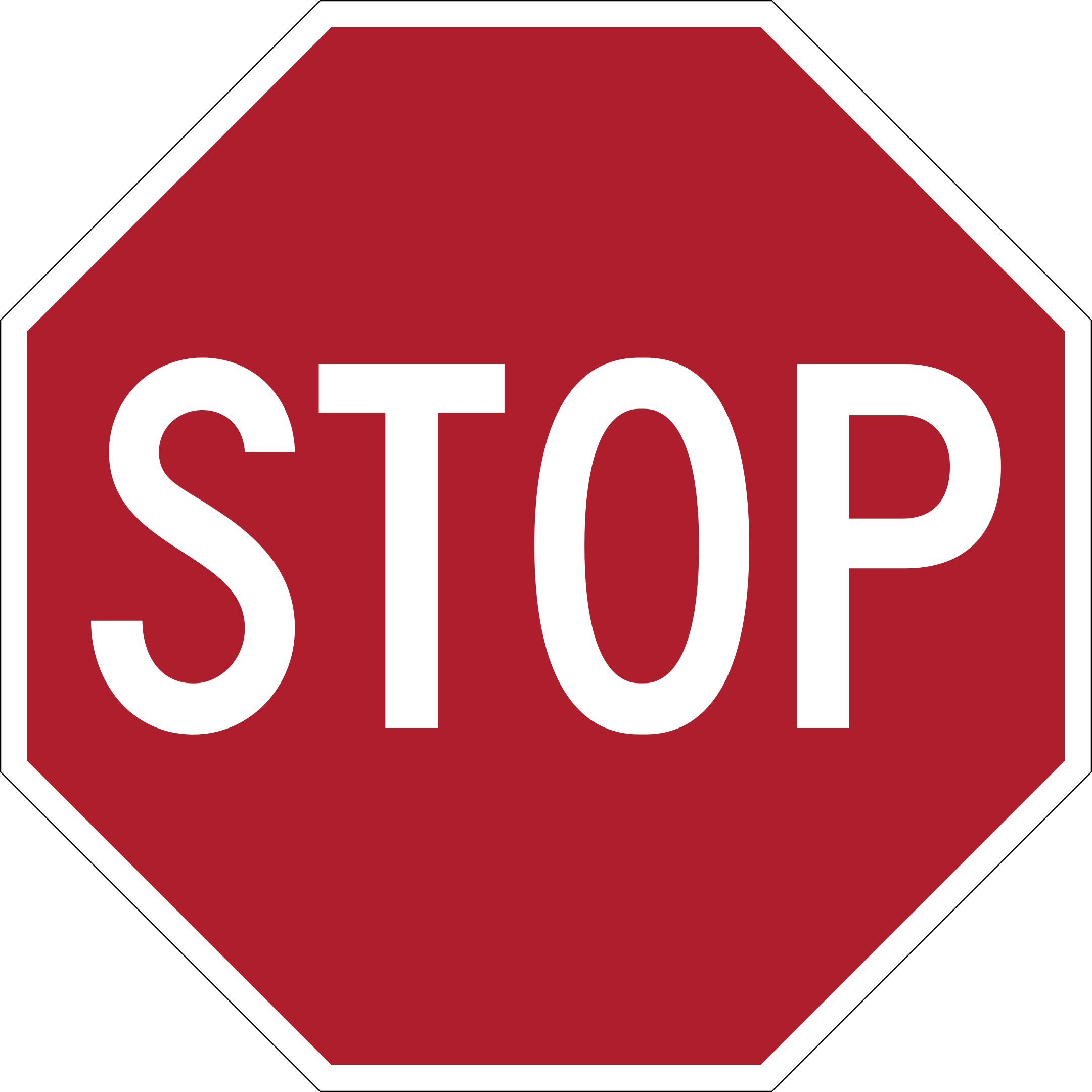 StopMUTCD R1-1
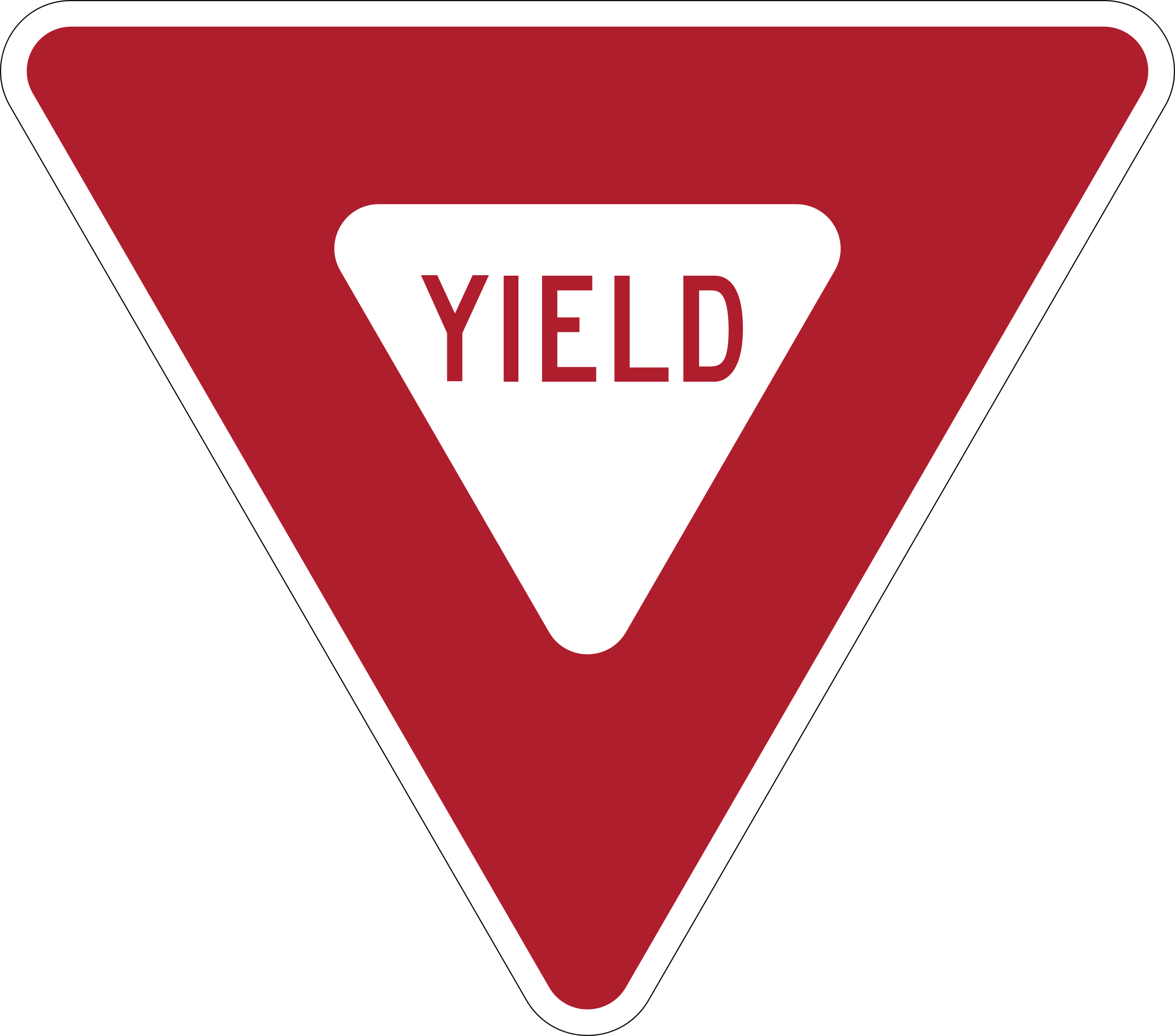 YieldMUTCD R1-2
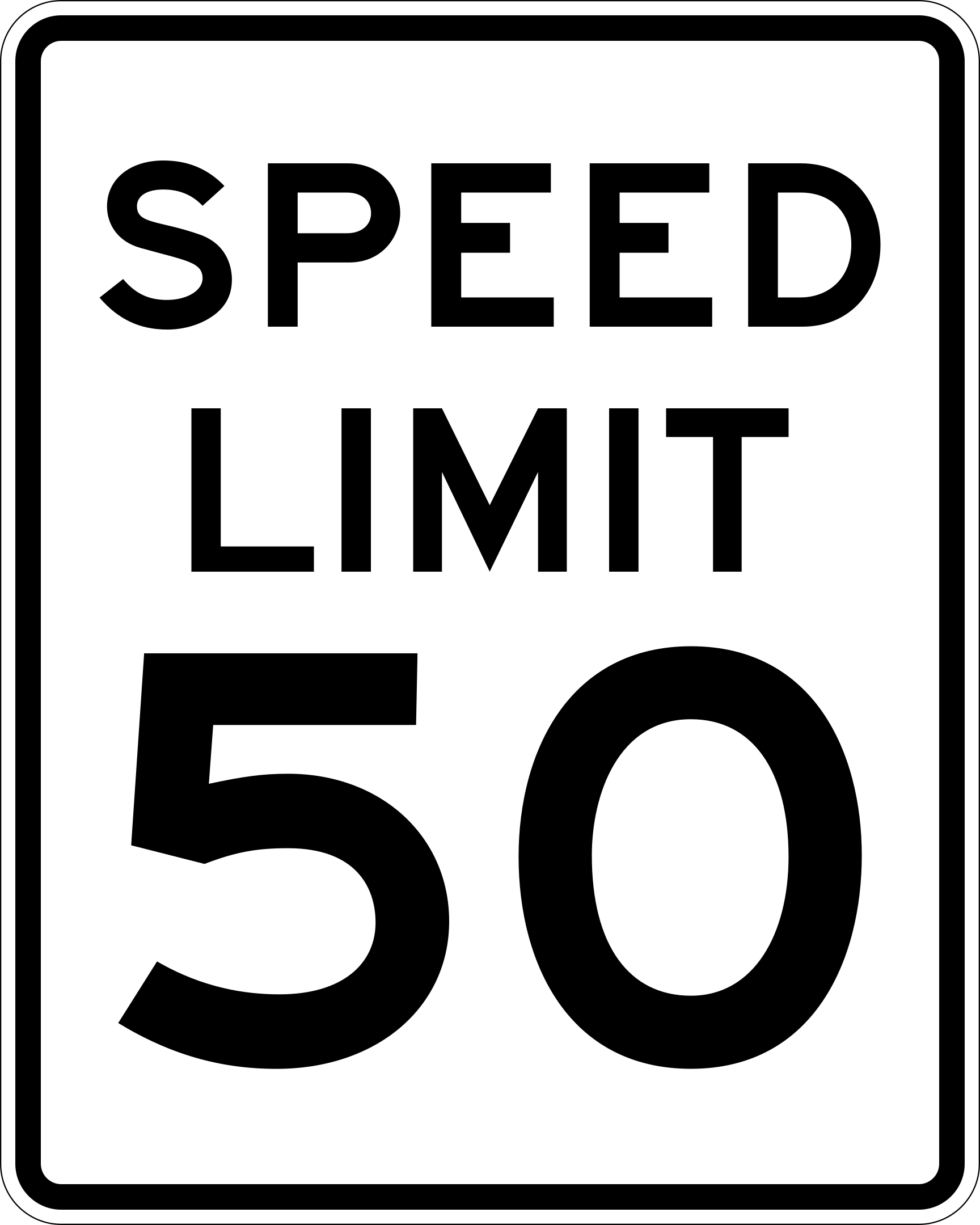 Speed LimitMUTCD R2-1
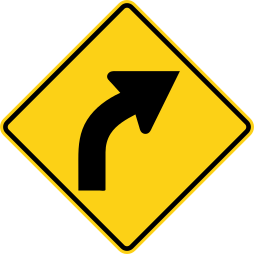 CurveMUTCD W1-2R
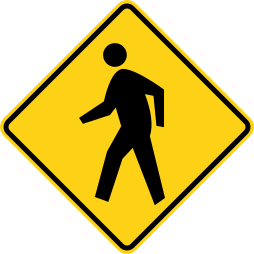 Pedestrian CrossingMUTCD W11-2
Signs that surprise visitors
- All Way / 4-Way plaques under stop signs. Four-way stops are rare in Europe and everywhere in the US. See who goes first at a 4-way stop.
- School Speed Limit When Flashing. A lower limit applies only while the beacons flash.
- Yellow pennant No Passing Zone on the left side of the road.
- Right Lane Must Turn Right and other lane-use signs in words.
Rules that surprise visitors
- Right turn on red is legal almost everywhere after a full stop, unless posted. See can you turn right on red.
- School buses: traffic in both directions stops when the red lights flash.
- No priority to the right on main roads. The right-hand rule applies only at intersections with no signs or at four-way stops.
- Speed limits in mph: 65 mph is about 105 km/h.
Measurements you'll meet
Distances are in feet and miles: "Exit 1/2 mile", "Stop here", "Next 3 miles". Heights on low-clearance signs are in feet and inches, such as 12'6". A quick conversion: one mile is 1.6 km, 100 feet is about 30 m, and 12'6" is about 3.8 m. For speeds: 25 mph is about 40 km/h, 55 mph about 89 km/h, and 70 mph about 113 km/h.
Learn the colors: yellow = warning, orange = work zone, white = rule, green = directions, blue = services, brown = recreation, fluorescent yellow-green = school and pedestrians. With shapes and colors, most signs make sense before you read them.
Practice it
The shapes and colors quiz shows only the blank shape and color, the fastest way to rewire what your eyes expect.
Take the shapes and colors quizStart ›For all the signs by group, start with how to memorize road signs.