Most wrong answers on a road sign test are not about signs people have never seen. They are about signs that look almost the same as another one. Here are the pairs that trip people up most, and the one detail that separates each pair.
Merge, Lane Ends and Added Lane
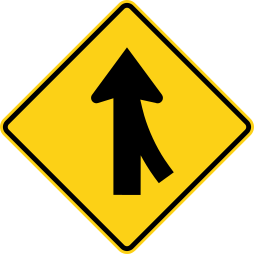 MergeMUTCD W4-1
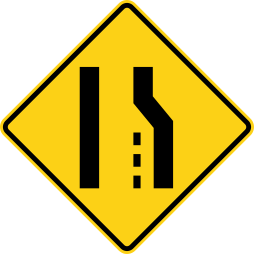 Lane EndsMUTCD W4-2
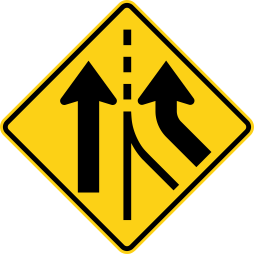 Added LaneMUTCD W4-3
Merge shows a second lane curving into yours: traffic will join and someone has to make room. Lane Ends shows the road getting narrower: one lane stops, so its drivers must move over. Added Lane shows the joining lane continuing as its own lane: nobody has to merge.
The detail: look at whether the joining line ends (merge), the road narrows (lane ends), or the new line keeps going (added lane).
Do Not Pass and No Passing Zone
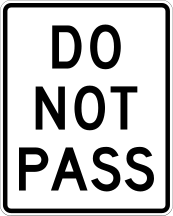 Do Not PassMUTCD R4-1
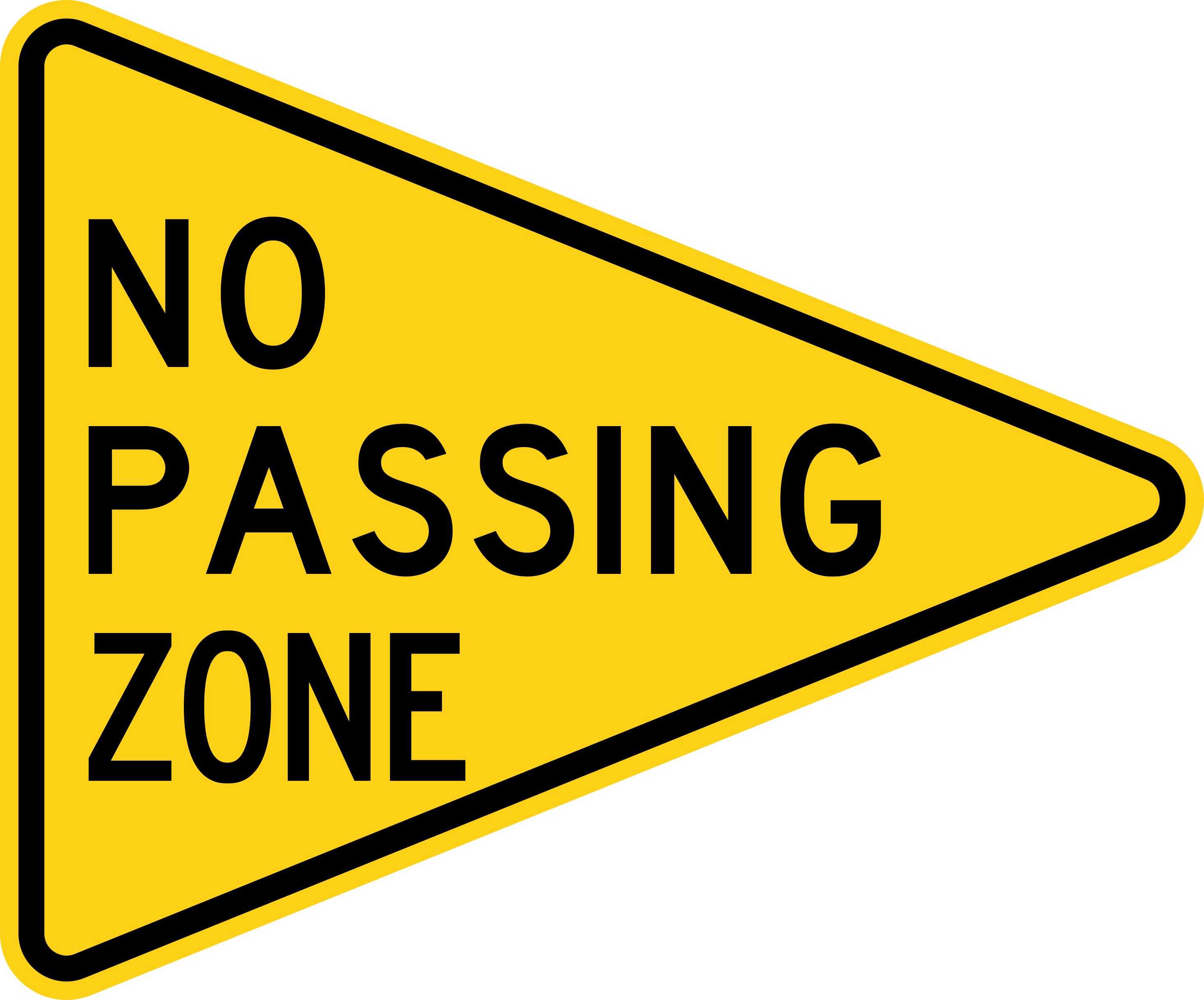 No Passing ZoneMUTCD W14-3
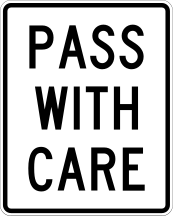 Pass With CareMUTCD R4-2
Both say you cannot pass. Do Not Pass is a white rectangle, a regulatory sign on the right side of the road. No Passing Zone is the only pennant-shaped sign, yellow, on the left side, where you would see it while thinking about passing. Pass With Care ends the restriction.
Stop and Stop Ahead
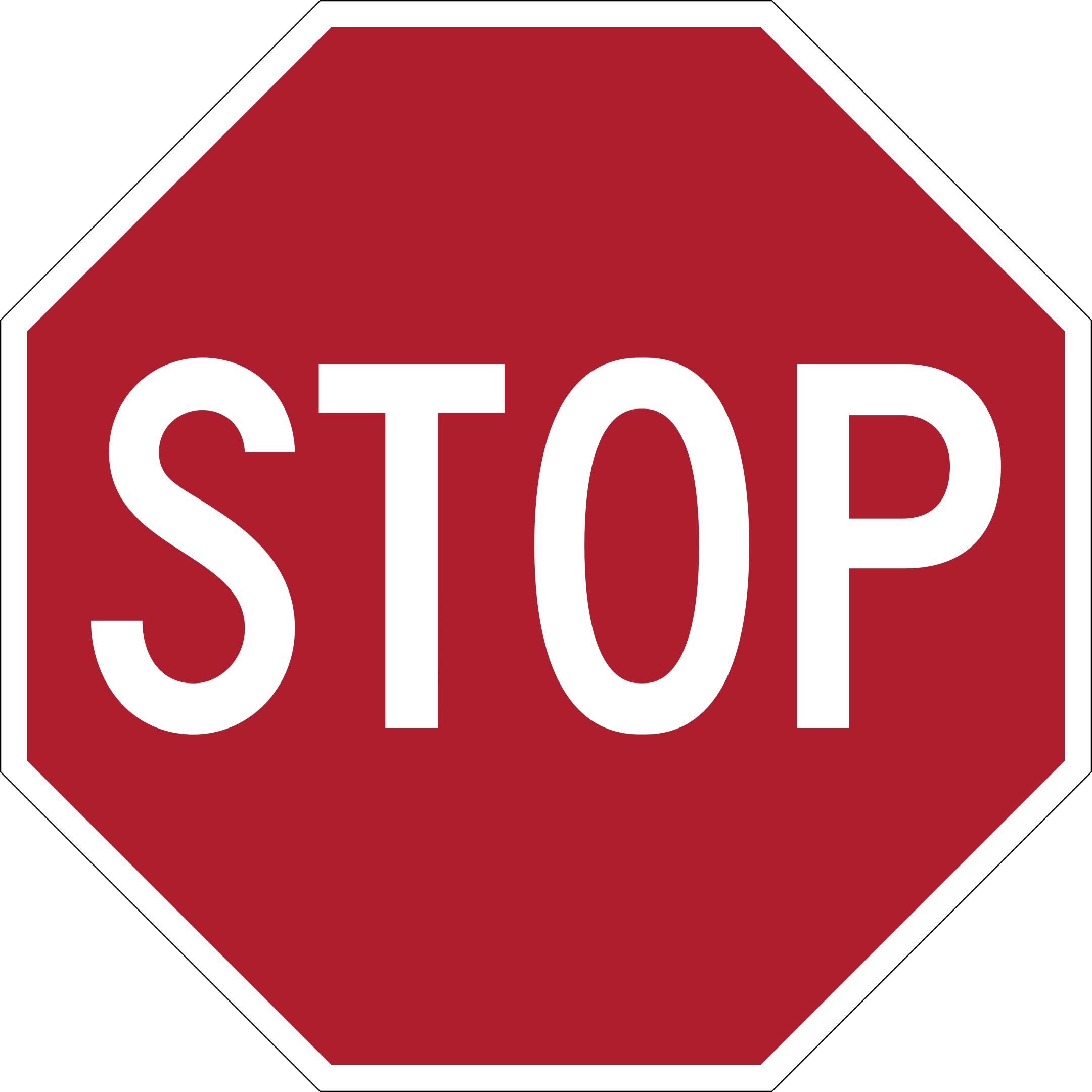 StopMUTCD R1-1
 Stop AheadMUTCD W3-1
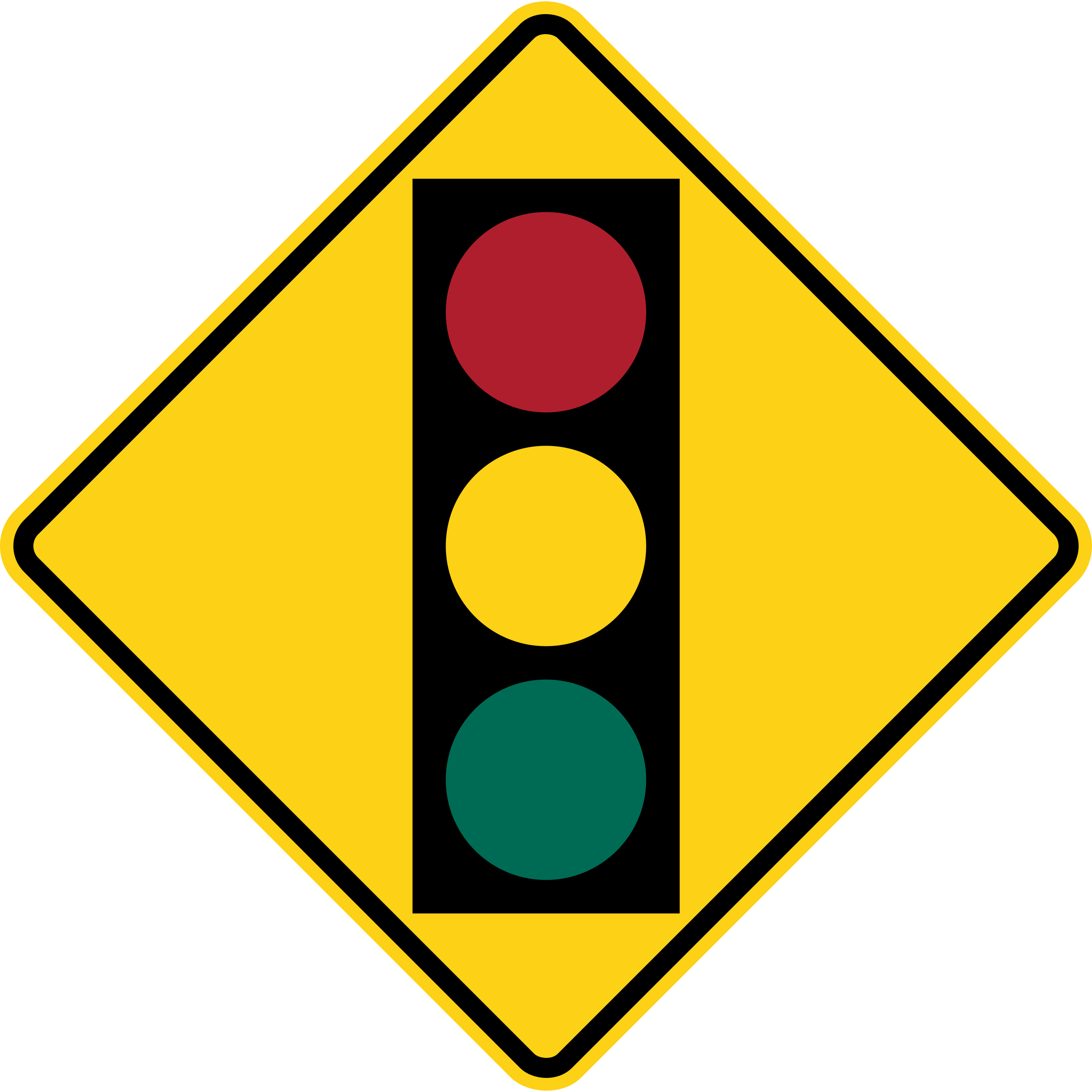 Signal AheadMUTCD W3-3
The red octagon means stop here. The yellow diamond with a small octagon means a stop sign is coming, so slow down now. The same logic applies to Yield Ahead and Signal Ahead: yellow diamonds warn about what is next, they do not tell you to stop yet.
Divided Highway Begins, Ends, and Two-Way Traffic
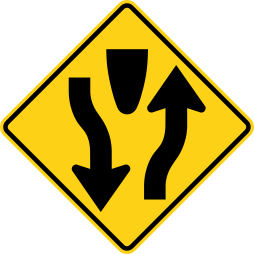 Divided Highway BeginsMUTCD W6-1
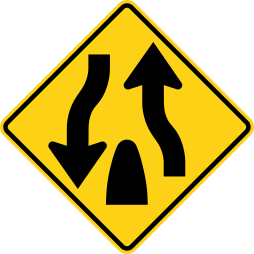 Divided Highway EndsMUTCD W6-2
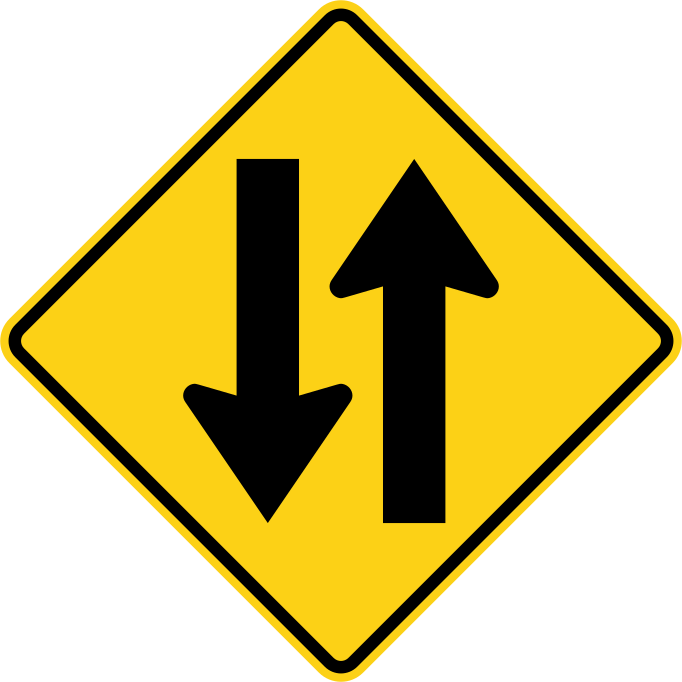 Two-Way TrafficMUTCD W6-3
Watch the island in the middle. When it starts between the arrows, a median begins: keep right of it. When it ends, both directions will share the road. Two-Way Traffic has no island at all: just two arrows pointing opposite ways.
Speed Limit and Advisory Speed
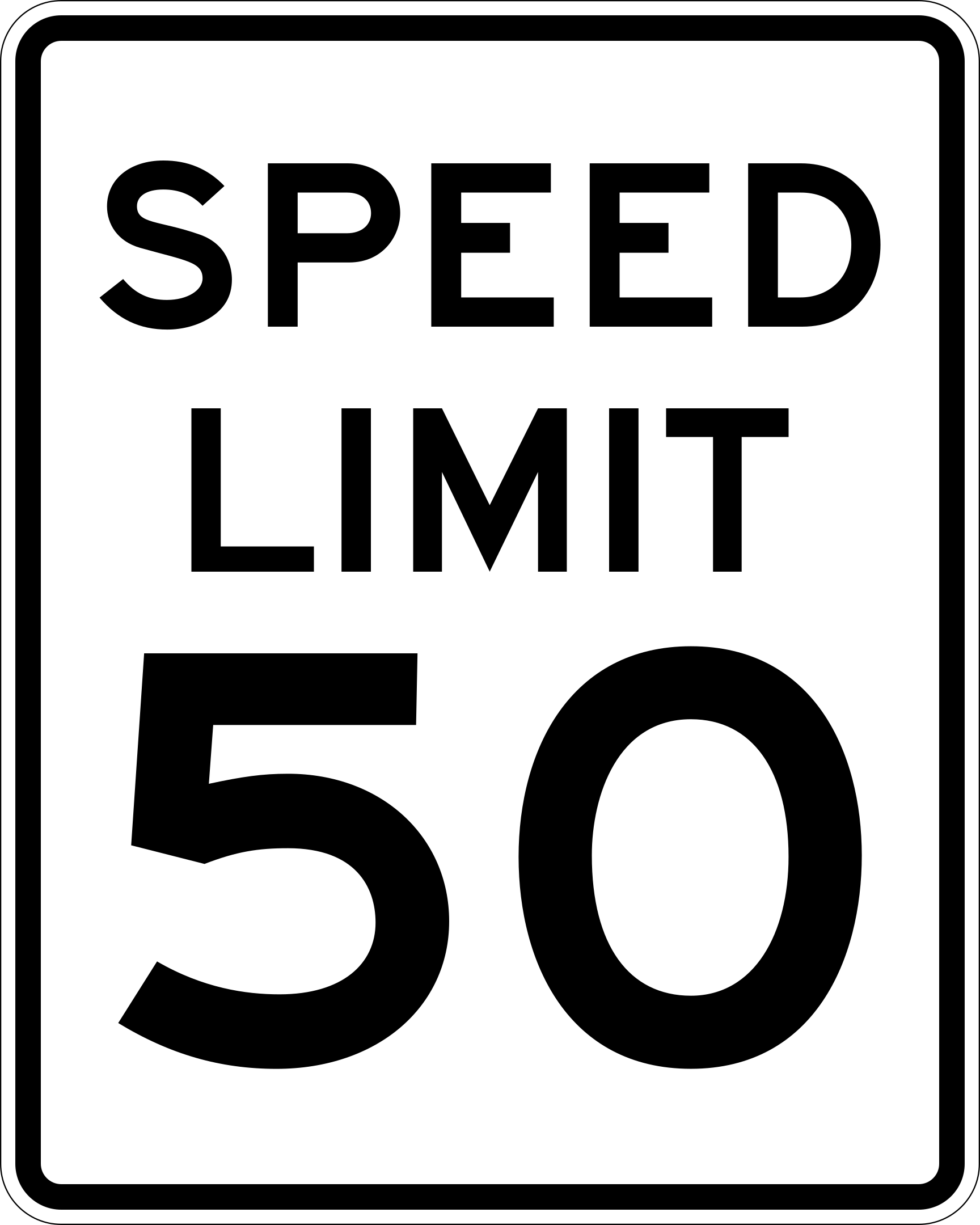 Speed LimitMUTCD R2-1
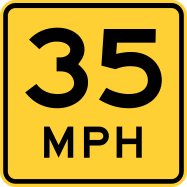 Advisory Speed (plaque)MUTCD W13-1P
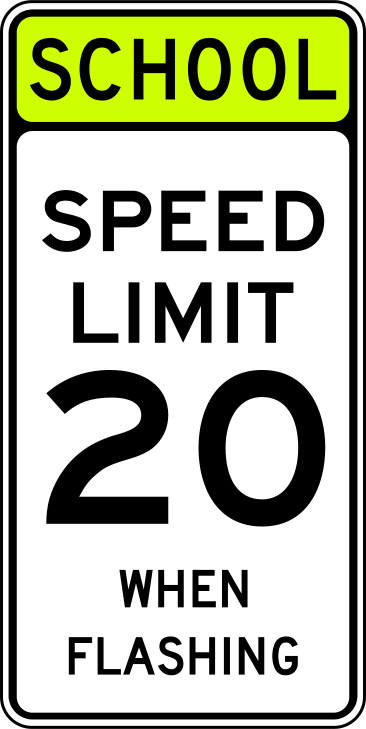 School Speed Limit When FlashingMUTCD S5-1
The white Speed Limit sign is the law. The yellow square plaque under a warning sign is advice for that curve or hazard. School speed limits apply at the times shown on the sign, often while its lights flash.
Do Not Enter and Wrong Way
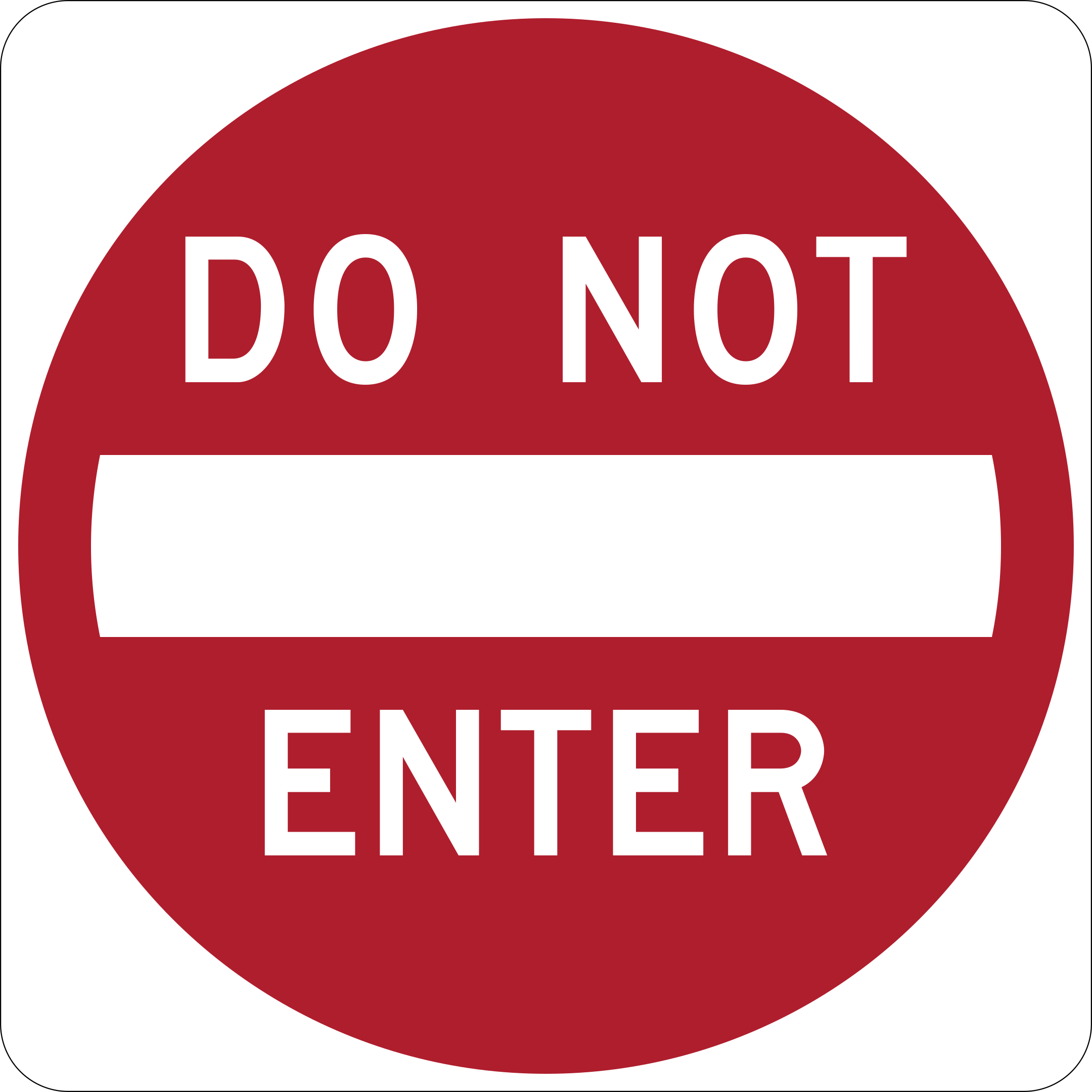 Do Not EnterMUTCD R5-1
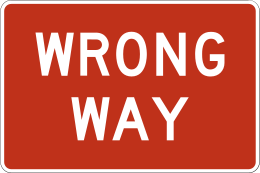 Wrong WayMUTCD R5-1a
Do Not Enter is the red circle with a white bar, placed where you would turn into a road you must not enter. Wrong Way is a red rectangle placed further in: if you see it facing you, you are already going against traffic. Stop and turn around safely.
Test yourself on look-alike signs: the road signs test uses them as wrong answersStart ›Why these pairs matter
Test questions often use a look-alike as a wrong answer, because it is the mistake people actually make. When you practice here, missed signs go to My weak signs and come back until you get them right on three different days.